Do Acoustic Doors Need a Threshold?
Why Floor Type Matters for Acoustic Door Performance
When specifying an acoustic doorset, many people focus on the door core, seals, and acoustic rating. However, one detail that is often overlooked is the floor finish at the base of the door.
The surface beneath the door can significantly affect the overall acoustic performance of the doorset - voiding any acoustic rating.
For high-performance acoustic doors such as SilentDoor Rw®, the decision to install a threshold plate depends largely on the type of finished floor.
Understanding when a threshold is required can help ensure the doorset achieves its tested acoustic rating in real-world installations.
The Role of the Acoustic Drop Seal
Most high-performance acoustic doorsets use an automatic drop seal at the bottom of the door leaf.
When the door closes, the drop seal automatically lowers to close the gap between the door and the floor. This seal helps prevent sound leakage beneath the door, which is one of the most common acoustic weak points.
However, for a drop seal to work effectively, it must compress against a smooth and consistent surface.
If the surface is uneven or soft, the seal cannot form a proper acoustic barrier.
When a Threshold Plate Is NOT Required
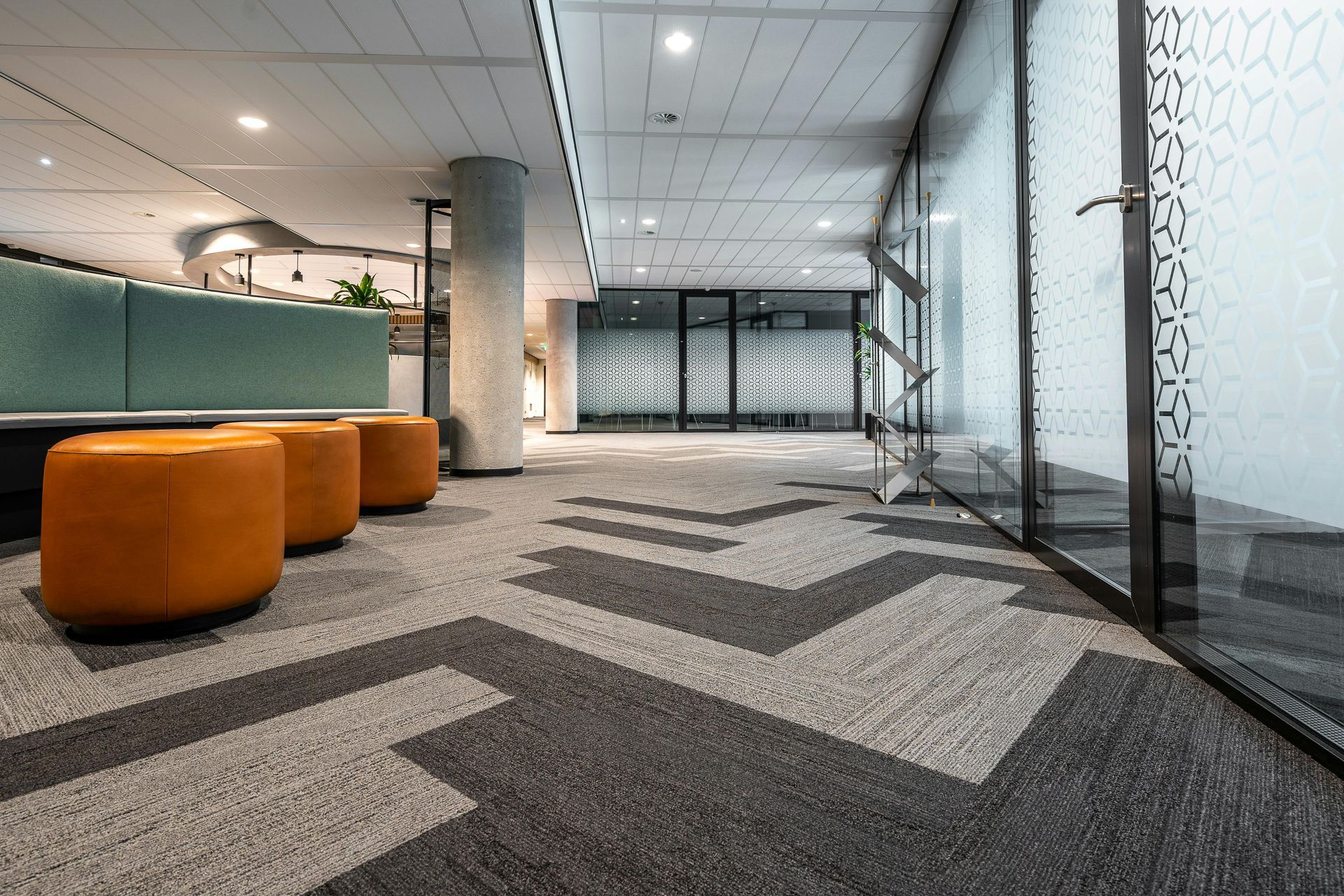
If the finished floor surface is solid, flat, and continuous, a threshold plate is typically not required.
Examples of suitable surfaces include:
- Luxury Vinyl Tile (LVT)
- Ceramic or porcelain tiles
- Stone flooring
- Polished concrete
- Resin floors
- Timber or laminate flooring (when installed flat)
These surfaces provide a stable and airtight contact point for the acoustic drop seal, allowing the door to maintain its designed sound insulation performance.
In these situations, a SilentDoor Rw® doorset can often be installed without a threshold plate, maintaining both acoustic performance and a clean floor transition.
When a Threshold Plate IS Required
If the floor finish is carpet or other soft materials, a threshold plate becomes essential.
Carpet surfaces compress and move under pressure. When a drop seal contacts carpet, it cannot form a tight seal and sound will leak beneath the door.
In these situations, installing a threshold plate provides a solid contact surface for the acoustic seal.
Typical floor finishes where thresholds are required include:
- Carpet
- Carpet tiles
- Soft underlay flooring systems
- Raised flooring systems with flexible coverings
Without a threshold plate, the acoustic rating of the doorset cannot be reliably achieved.
Why the Bottom Gap Matters for Acoustic Doors
Sound behaves like air — it will always travel through the path of least resistance.
Even a small gap beneath a door can dramatically reduce acoustic performance.
For example, a door designed to achieve Rw 45 dB can lose a significant amount of sound insulation if the bottom seal is ineffective.
Proper sealing at the threshold ensures the doorset performs as intended.
SilentDoor Rw® doorsets are designed with precision acoustic sealing systems, but the installation conditions must also support this performance.
Typical Acoustic Door Threshold Solutions
Depending on the project requirements, several threshold solutions may be used:
Aluminium threshold plates
Durable and commonly used in commercial environments.
Low-profile acoustic thresholds
Designed to minimise trip hazards while maintaining acoustic performance.
Rebated thresholds
Used where higher acoustic performance is required.
The correct solution will depend on the floor finish, accessibility requirements, and acoustic rating of the doorset.
To achieve these acoustic ratings in practice, correct installation details — including the threshold condition — are essential.
Key Takeaway: Floor Type Determines the Threshold Requirement
When installing an acoustic doorset, the floor finish beneath the door should always be considered.
If the floor is solid and flat
A threshold plate is typically not required.
If the floor is carpet or soft flooring
A threshold plate is mandatory to achieve the acoustic rating.
Getting this detail right ensures the doorset delivers the expected acoustic performance and regulatory compliance.
SilentDoor Rw® – Engineered for Real-World Performance
SilentDoor Rw® acoustic doorsets are designed to perform in modern commercial and residential environments, combining acoustic insulation, fire resistance, and durable construction.
With the correct installation details — including the appropriate threshold solution — SilentDoor Rw® delivers reliable acoustic performance where it matters most.
For technical guidance on specifying the correct acoustic door thresholds, the SilentDoor team can help ensure your project achieves the required performance.
Summary:
Always advise our sales/ technical team what floor finish you are wanting to use, and we can adjust our product to suit you soundproof door needs.